Skip to content

Work

What I do, how I deliver it, and what it has produced

One page instead of three: the capabilities you can engage me for, the way a piece of work actually runs, and the seven products you can open and judge for yourself.

What I do

Four groups. Each one is described by what changes for the people using it, not by the tools underneath.

  • IT Operations & Systems

    The day keeps moving: people sign in, devices work, access matches the role someone actually holds, and a request has a named owner instead of a group chat.

    • User, endpoint and account support
    • Joining, moving and leaving as one checklist
    • Assets, subscriptions and who holds what
  • Business Applications & Workflow Improvement

    Microsoft 365, Google Workspace and the business platforms a team leans on, configured so they behave the same for everyone — and the repeated step that wastes an hour a week removed.

    • Microsoft 365 and Google Workspace administration
    • Business-platform configuration and coordination
    • Workflow review that ends in a decision, not a report
  • Digital Products & Bilingual Experiences

    When the spreadsheet has stopped coping, the workflow becomes an application: roles, records, the awkward cases, and an Arabic interface designed in Arabic rather than translated on top of English.

    • Requirement written as actor, action, result
    • Roles, permissions and an audit trail that holds
    • Right-to-left reviewed as its own interface
  • Deployment, Domains & Digital Infrastructure

    What sits under a public site: domains, DNS, certificates, hosting and backups with a restore that has actually been run — so a change can be made without holding your breath.

    • Domain, DNS, SSL and hosting setup
    • WordPress administration and hardening
    • Controlled releases with a tested way back

How I deliver

The same eight steps whether the job is a support process or a product. I can own the whole line, from the operational problem to the thing running in front of real users.

  1. Discover

    Watch the handoff as it happens today, including the parts nobody documents.

  2. Define

    Write what will exist at the end, what will not, and how we will know it works.

  3. Design

    Shape the records, the roles and the screens — in both languages from the start.

  4. Build

    One complete path first, with its failure states, rather than six half-features.

  5. Secure

    Decide what each role may do on the server before the interface is drawn.

  6. Test

    The awkward cases: the clash, the double submit, the wrong role, the empty state.

  7. Launch

    A controlled release with a known starting point and a way back.

  8. Improve

    Watch it in use, fix what the first week reveals, leave notes the next person can follow.

Selected live products

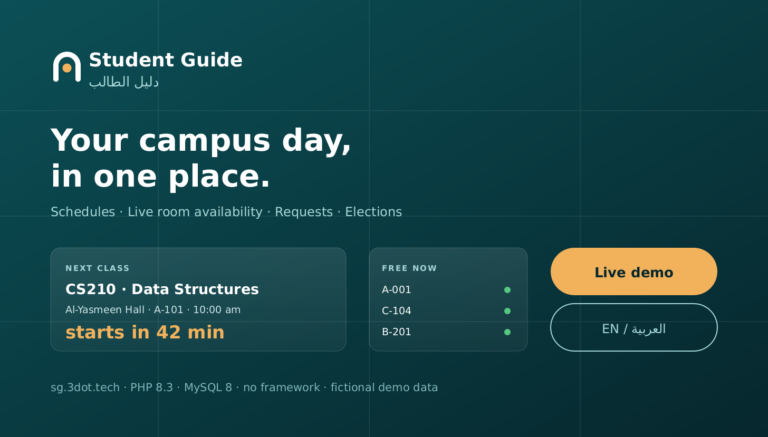
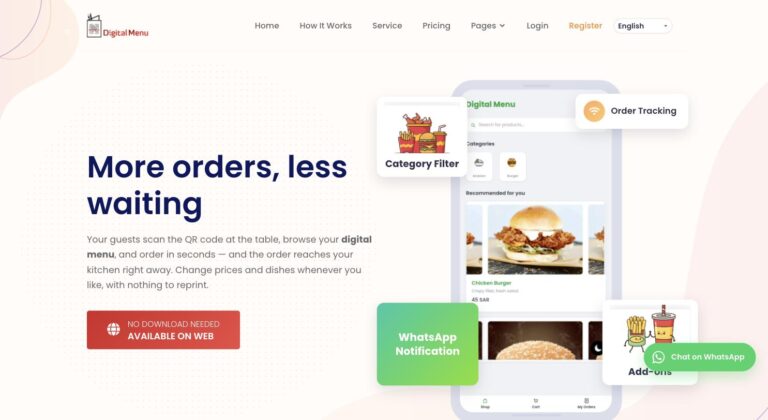
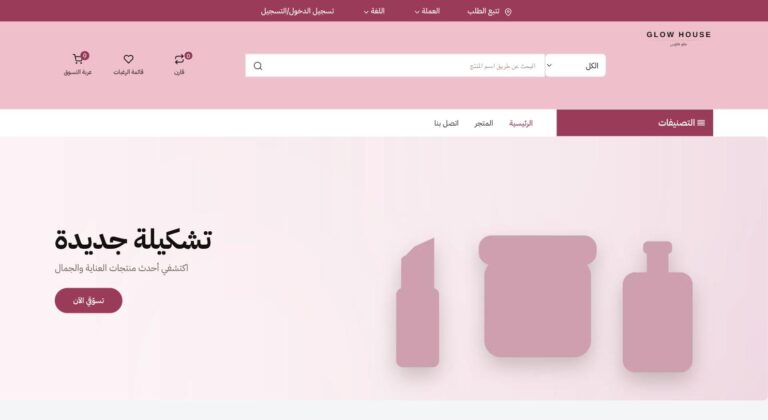
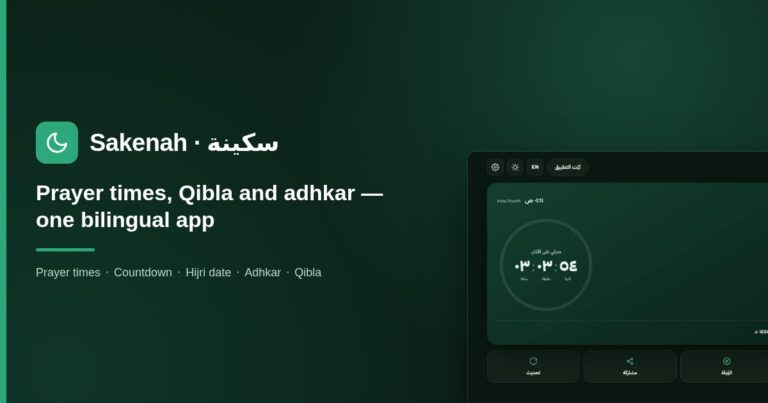
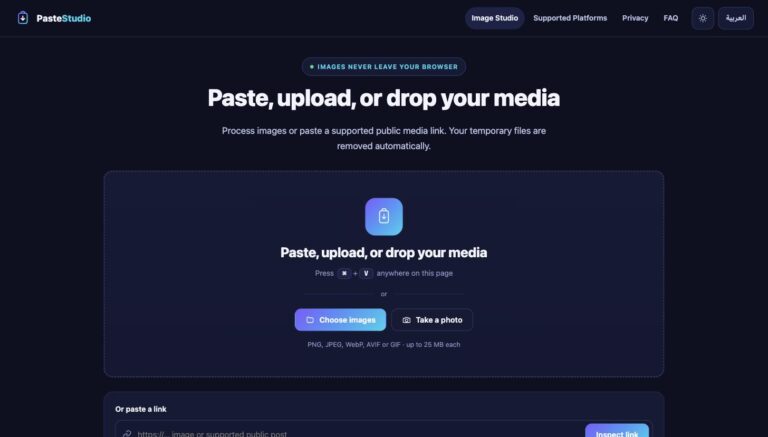
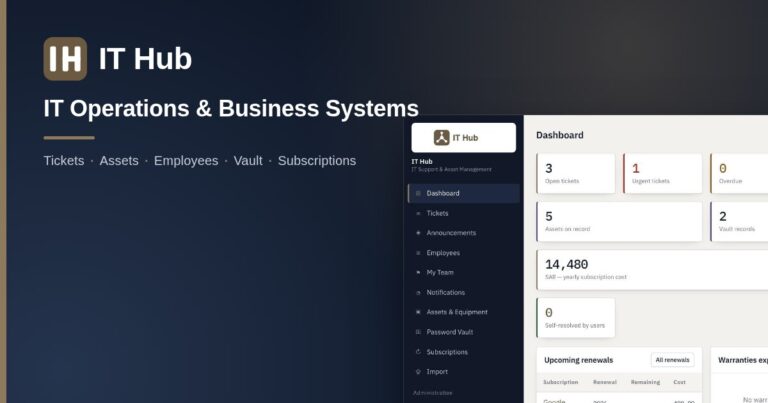
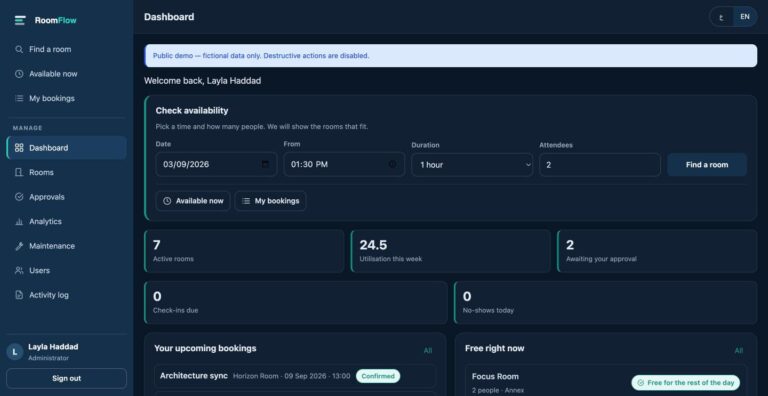
Seven systems with a public demo and a case study. Open the demo first, then read the decisions and the limits.

Every project here is open to try and filled with sample data, so nothing private is on display.
Tell me what is not working

Describe the problem rather than the solution. I will tell you honestly whether this is something I should take on.

Discuss your project Book a call (opens in a new tab)